
Evening Nutrition for Restful Nights
Free educational articles for UK readers about evening meals, caffeine timing, and calming foods — written in plain language and based on published research. Results vary; this is not medical advice.
Explore Evening Nutrition
Educational notice: General UK lifestyle information only. Not medical or dietary advice. Individual experiences vary. Speak to a GP, dietitian, or pharmacist for personal guidance.
Thermic Effect
Lighter Evening Protein Choices
Body Temperature and Evening Digestion
Your circadian clock schedules a decline in core body temperature in the evening. That drop is often discussed in sleep hygiene education as one of several cues the body uses before rest. Thermoregulation and sleep are linked in published research; anything that keeps heat production high may feel less comfortable for some people at bedtime.
Digestion is work. The thermic effect of food — calories burned during processing — is highest for protein, moderate for carbohydrates, and lower for fat. A sixteen-ounce ribeye or a late-night protein shake with double whey demands enzymatic effort, amino acid transport, and urea cycle activity. Blood shifts toward the gut. Metabolic rate ticks up. You may feel warm under the duvet precisely when your brain expects cooling.
This does not mean protein is bad at night. It means density and timing deserve attention, especially if you use a wearable tracker or simply want to notice how different meals feel before bed.
The “Cold Dinner” Concept
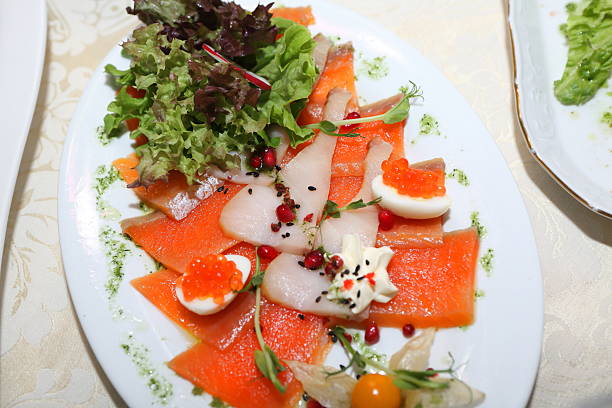
Japanese and Mediterranean patterns often illustrate this naturally: grilled white fish with miso soup; sardines on toast at tea time rather than midnight; gazpacho with chickpeas in summer. UK readers can mirror the logic with poached haddock, prawn stir-fry with bok choy, or silken tofu in ginger broth. Serving temperature can still be warm and comforting; the metabolic invoice is what we are reducing.
Combine with the carbohydrate guidance on our evening carbs page: a small scoop of brown rice or new potatoes completes the plate without turning dinner into a feast. Chewing slowly and stopping at comfortable fullness gives the vagus nerve time to relay satiety before you lie flat.
Protein Choices Ranked by Evening Friendliness
- White fish & shellfish: Cod, hake, pollock, mussels — high protein, relatively low fat, quick cooking.
- Tofu & tempeh: Plant proteins with fibre; marinate lightly, avoid deep frying.
- Cottage cheese & skyr: Casein digests slowly but portions stay modest; pair with cucumber and dill.
- Egg whites + one yolk: Vegetable frittata slice, not a four-egg cheese mountain.
- Chicken breast: Acceptable in palm-sized amounts; skip skin-on wings late at night.
- Save for earlier: Lamb chops, brisket, aged cheddar boards, protein bars with sugar alcohols.
Alcohol alongside protein fattening cuts increases heat and fragmenting bathroom trips. Herbal tea or sparkling water keeps the evening cooler.
Meal Timing Experiments
Try a two-week split: Week one keeps your usual dinner. Week two moves the largest protein serving to 13:00 and adopts a light fish-or-tofu plate at 19:00. Note how you feel on waking and any wearable metrics if you use them. Some workshop attendees tell us they notice easier temperature settling within a few nights, though individual responses differ widely.
13:00 — Main protein
Chicken salad, bean stew, or lean beef in reasonable portion.
19:00 — Cool dinner
Steamed fish, miso tofu, vegetable soup with lentils.
21:30 — Optional bridge
Herbal tea; small yoghurt only if hungry.
Kitchen Tips for Low-Heat Evenings
Poaching and steaming beat searing at 22:00. Use parchment parcels for salmon with lemon and herbs — minimal oil, easy cleanup. Batch-cook broth on weekends so weeknights need only five minutes of assembly. Keep frozen prawns and spinach as emergency cool-dinner anchors.
Spices like cumin and fennel add satisfaction without calorie density. Salt mindfully; thirst disrupts sleep as much as heat. If you enjoy cultural traditions centred on hearty evening meat, shrink the portion and add a large salad rather than abandoning the ritual entirely.
Next: Magnesium for CalmHealth & Safety Guidelines
Adjust protein intake with professional guidance if you have kidney conditions, are recovering from illness, or follow a prescribed high-protein plan.
- Store seafood safely; cook to recommended temperatures.
- Soy and fish allergies require label reading on prepared foods.
- Very low calorie dinners may worsen night glucose dips — balance matters.
- Children and teens need adequate evening nutrition for growth; do not restrict without paediatric advice.