
Pumpkin & Sunflower Seeds
Two tablespoons provide a meaningful magnesium boost. Toast lightly for flavour; sprinkle on soup or yoghurt. Store airtight to prevent rancidity.

Free educational articles for UK readers about evening meals, caffeine timing, and calming foods — written in plain language and based on published research. Results vary; this is not medical advice.
Explore Evening NutritionEducational notice: General UK lifestyle information only. Not medical or dietary advice. Individual experiences vary. Speak to a GP, dietitian, or pharmacist for personal guidance.
Mineral of Calm
Magnesium is often called the relaxation mineral in popular nutrition writing, and biochemistry offers a reason. It acts as a cofactor in hundreds of enzymatic reactions, including those that influence neurotransmitter balance. Gamma-aminobutyric acid (GABA) is an inhibitory messenger involved in how the brain quiets excessive neural activity — a topic often discussed in sleep hygiene education.
Adequate dietary magnesium is associated in some observational studies with better self-reported sleep quality. Mechanistic research explores how magnesium may modulate certain receptors and support parasympathetic tone — the “rest and digest” branch of the autonomic nervous system. Low habitual intake is common in Western diets heavy on refined grains and light on seeds and greens. This is general information, not a recommendation to self-treat any condition.
Food delivers magnesium alongside co-factors: fibre for gut health, polyphenols for inflammation balance, and the psychological signal of a deliberate evening snack. That combination is what we mean by preparing the brain to deactivate — not a single pill taken while scrolling news feeds.
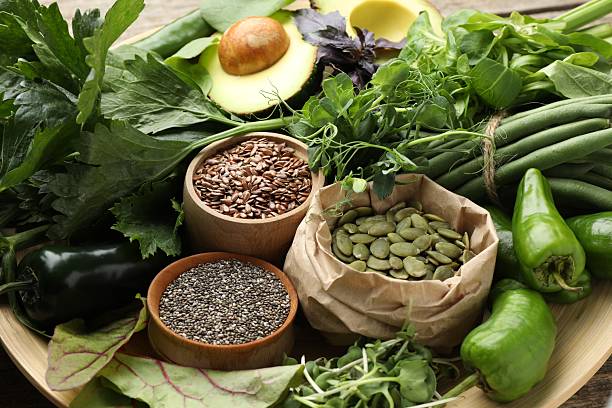
Two tablespoons provide a meaningful magnesium boost. Toast lightly for flavour; sprinkle on soup or yoghurt. Store airtight to prevent rancidity.
Wilt into dal, blend into pesto, or serve as a side with lemon. Oxalates reduce absorption slightly — rotate with other sources.
Combine legumes with grains for a complete evening plate. Canned versions speed weeknight cooking; rinse to lower sodium.
A small square after dinner satisfies sweetness with minerals. Caffeine content is modest but worth noting for sensitive sleepers.
Pair magnesium foods with gentle fats to aid absorption — tahini on oatcakes, mackerel with kale, avocado on rye. Spread intake across lunch and dinner rather than loading one mega-dose, which can loosen stools in sensitive individuals. UK adults are advised to aim for roughly 270–300 mg daily from all sources; food logs help approximate without obsession.
Electrolyte balance interacts with magnesium. Heavy sweating, diuretics, or excessive alcohol deplete stores. Rehydration with water and mineral-rich foods supports the same calm pathway. If leg cramps wake you, discuss magnesium and potassium with a clinician rather than self-prescribing high-dose supplements.
These menus also respect the cool-dinner principle from our protein guide and the glucose steadiness from evening carbs. Integration beats isolated superfoods.
Some people still fall short despite thoughtful diets — restrictive eating, certain medications, or malabsorption. Magnesium glycinate and citrate are common forms discussed in pharmacy literature; oxide is less bioavailable. UK law regulates supplements as food; quality varies. Blood tests for magnesium are imperfect because most mineral sits inside cells.
Talk to your GP or pharmacist before starting supplements, especially if you take heart medicines, antibiotics, or thyroid hormones. This website does not endorse brands or promise outcomes. Food-first strategies remain the safest default for general readers seeking lifestyle improvement.
Explore Evening Herbs| Date | Event | Location |
|---|---|---|
| 5 Aug 2026 | Magnesium Cooking Demo | Bancyfelin, SA33 |
| 12 Sep 2026 | Minerals & Evening Routines Online Class | UK webinar |
| 26 Sep 2026 | Seed & Legume Tasting Evening | Carmarthen |