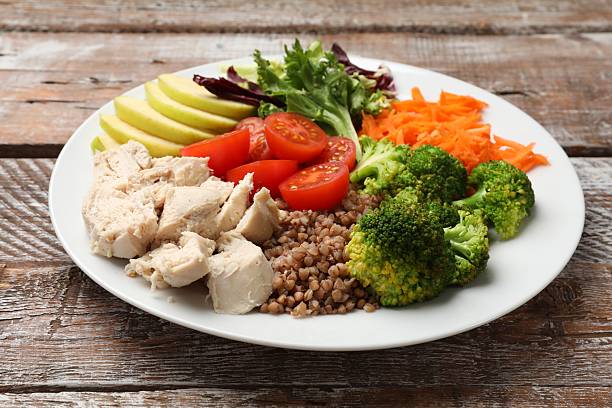
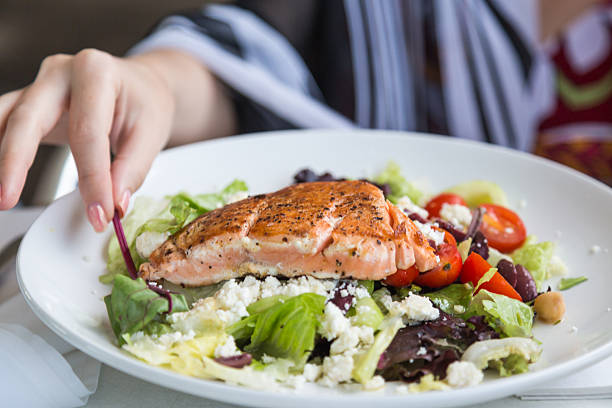
Dietary fats digest more slowly than refined starches and do not trigger the same rapid insulin spike. When you combine modest portions of slow carbohydrates — sweet potato, buckwheat, barley, or pulses — with sources of unsaturated fat such as avocado, walnuts, or cold-pressed rapeseed oil, glucose rises and falls in a wider, flatter arc. That arc is what many sleep researchers describe as protective against the cortisol surge that follows a steep sugar crash.
Omega-3 fatty acids from oily fish or flaxseed may also support inflammatory balance, which indirectly influences sleep quality in population studies. A practical UK evening plate might be baked salmon with quinoa and steamed greens, or a chickpea curry with a spoonful of coconut yoghurt. Portion size still matters: an overly large meal diverts blood to the gut and can feel uncomfortable even when the ingredients are “correct.”
Timing helps as well. Eating three to four hours before bed gives digestion a head start. A small, balanced snack thirty to sixty minutes before sleep — such as plain yoghurt with berries — can bridge the gap for early risers without repeating the refined-carb pattern. The goal is continuity: your liver should release glucose steadily rather than in reactive bursts.
These ideas align with general healthy eating guidance in the UK. They are lifestyle suggestions, not prescriptions. If you manage a metabolic condition, discuss evening eating with a qualified professional who knows your history.